
People like to say the stock market runs on numbers—earnings, rates, inflation, growth. That’s only half the story. Anyone who’s watched markets for more than five minutes knows they’re just as much about emotion and trust as cold, hard data. Take something explosive like the Epstein files. They aren’t about earnings or revenue, but they still rattle markets, send volatility through the roof, and leave investors on edge.
Let’s get real: the Epstein files have nothing to do with what’s on a company’s balance sheet. But whenever new court documents, flight logs, or testimonies linked to Epstein come out, Wall Street pays attention. Why? Because these files don’t just involve crime—they drag in business titans, politicians, and powerful people from every corner. Suddenly, the line between markets, power, and reputation looks a lot thinner.
Table of Contents
ToggleWhy Do Scandals Like This Even Matter to Investors?
On paper, a scandal like Epstein’s shouldn’t touch the S&P 500. But markets hate uncertainty, and scandals create it in spades. When these files hit the headlines, no one really knows where the fallout stops.
Uncertainty Locks Up the Market
Bad news? Markets can handle that. Unknowns? That’s what gets them. Epstein news throws out a whole lot of questions:
Is someone high up about to get dragged in?
Will this trigger more investigations or shake-ups?
Could companies or even whole sectors get caught in the blast radius?
That’s all it takes for traders to start selling, avoid risks, and move their money somewhere safer. Suddenly, the mood shifts—even if the numbers haven’t changed.
How Investors Really React Markets are just people, after all. When a scandal dominates the news, fear takes over. Investors start thinking about who’s next, how deep it goes, and whether regulators or politicians are about to come knocking. They pull back. They sell first and ask questions later. It’s not about fundamentals—it’s pure psychology.
How the Epstein Files Mess with Market Sentiment
1. Confidence Takes a Hit Scandals that touch the elite shake faith in the system. People start thinking the rules don’t apply, that power is unchecked, and that no one’s really in control. That’s enough to make stocks drop—even if profits are fine.
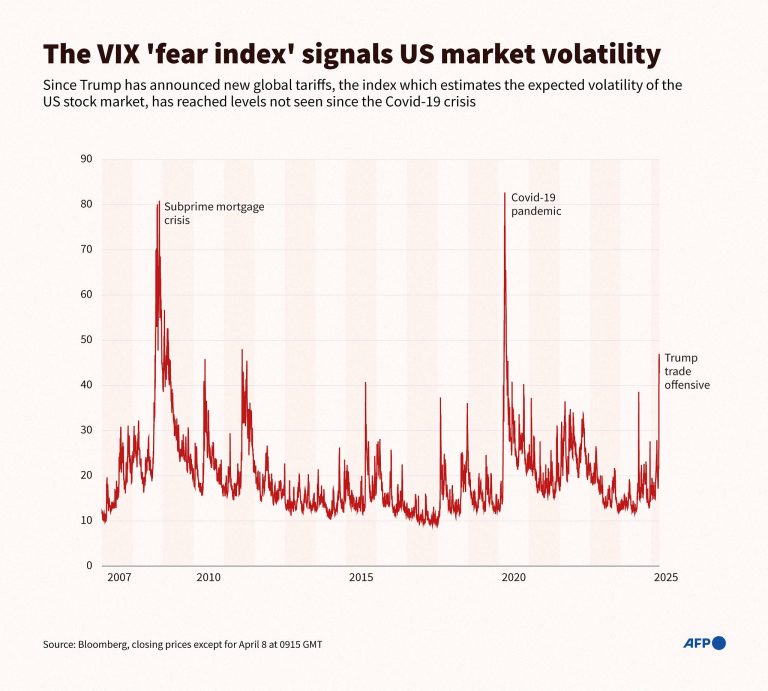
2. Volatility Spikes Whenever Epstein news heats up, markets get jumpy. You’ll see wild swings, unpredictable trading, and the VIX—Wall Street’s fear gauge—shoot up. It’s chaos, plain and simple.
3. Investors Get Defensive When the headlines are bad, no one wants to take risks. Money leaves stocks and heads for bonds, gold, or other safe bets. It’s not about finding value; it’s about safety in numbers.
Who Gets Hit—and Who Actually Wins
*Financial Stocks *
Banks and hedge funds live and die by trust. If a scandal hints at dirty money or elite connections, investors start worrying about legal troubles and tighter rules. Even a whiff of risk can drag down stock prices, whether there’s proof or not.
*Media and Tech*
Not everyone loses. When a story like Epstein’s goes viral, media and online platforms rake in clicks and ad dollars. Tech stocks that depend on engagement can actually get a short-term boost as people obsess over the latest twists.
*Government-Linked Sectors*
Industries tied to politics—defense, infrastructure, healthcare—don’t like uncertainty. If the scandal spills into political drama, you’ll see more volatility. Investors start bracing for policy delays, shaky leadership, or election chaos.
When Politics and Markets Collide
The Epstein files always seem to drag politics into the mix. When politicians and powerful people get named, markets get even more nervous. Laws slow down, decisions get postponed, and global money managers rethink their bets. Political dysfunction? That’s a red flag for anyone trying to predict the future.
The Ripple Effect Goes Global
A scandal this big doesn’t stay in one place. International markets watch, react, and sometimes panic right along with the U.S. It’s a reminder that markets are built on trust—and when that trust cracks, everyone feels it.